
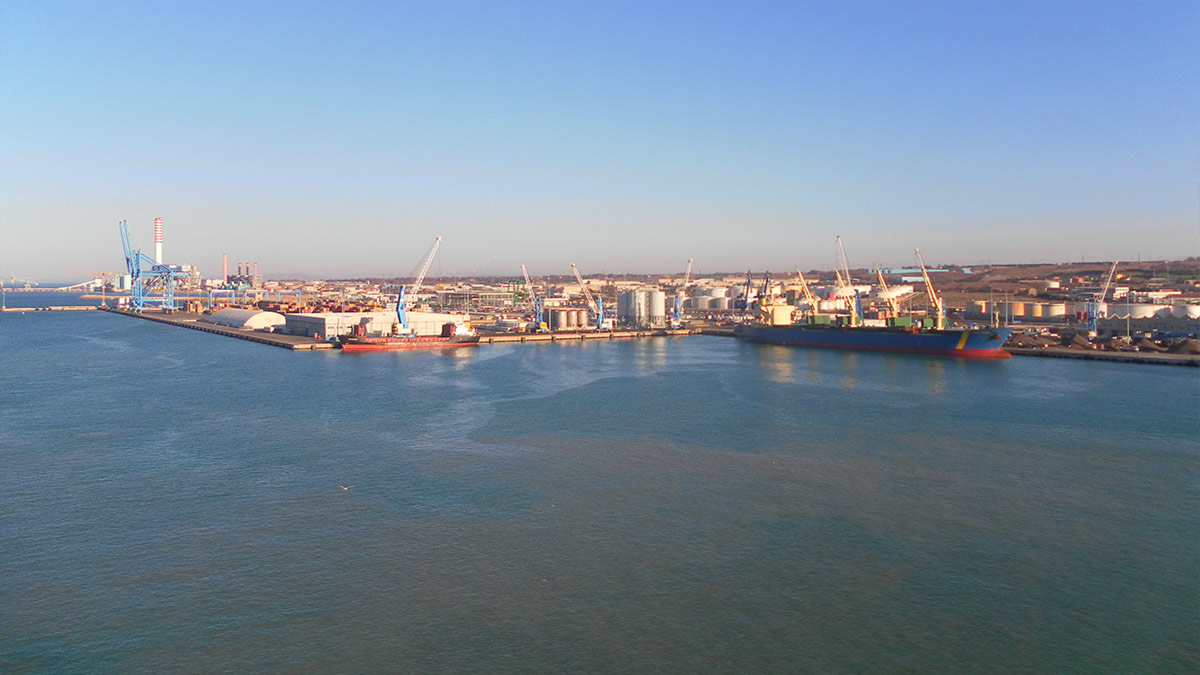
The Port of Civitavecchia: History, Curiosities and the Strategic Role of the “Port of Rome”
The Port of Civitavecchia, historically known as the Port of Rome, is today one of the most important hubs in the Mediterranean, a gateway for millions of cruise passengers travelling to the Italian capital and beyond. Located on the coast of Lazio, about 80 km from Rome, it is a strategic hub for passenger traffic, cargo and tourism, as well as a key starting point for those choosing a private transfer to and from the Eternal City.
The History of the Port of Civitavecchia
The origins of the port date back to Roman times, when Emperor Trajan decided to create a new harbour to supply Rome, in an area then known as Centumcellae, between 103 and 110 AD. The project was entrusted to the famous architect Apollodorus of Damascus, who designed an almost circular basin of about 500 metres, protected by two long piers and an artificial island that served as a breakwater.
For centuries the port was the centre of trade in the Mare Nostrum, linking Rome with the provinces of the Empire and becoming a crucial node for both commercial and military routes. After the fall of the Roman Empire, Civitavecchia passed under various dominations, eventually becoming part of the Papal States, which strengthened its strategic role both commercially and in terms of defence.
Between the 15th and 17th centuries, important fortification works were carried out: the Forte Michelangelo, commissioned by Pope Julius II and attributed to Bramante with a probable contribution by Michelangelo, the large lighthouse on the pier, the crenellated walls and the Bernini Arsenal. These structures turned the port into a true fortified citadel, able to withstand pirate attacks and enemy fleets.
In the 19th century, with the Unification of Italy, the Port of Civitavecchia was consolidated as the main maritime gateway of the new nation, serving Rome and connecting it with the rest of the Mediterranean. During the Second World War, however, it suffered heavy bombing that destroyed many of the historical structures, later rebuilt in the post-war period.
The Port Today: Cruises, Passenger Traffic and Record Numbers
Today the Port of Civitavecchia is considered the leading cruise port in Italy and one of the most important in Europe in terms of passenger numbers. In recent years it has handled over 3.3 million passengers annually, reaching and surpassing 3.5 million cruise passengers in 2025, confirming its role as a top cruise hub.
Estimates suggest that cruise traffic generates around €100 million per year for the local economy and up to €400 million for the Lazio region, thanks to overnight stays, restaurants, shopping and services linked to tourism flows. The port is also a major logistical centre for ship supplies, with tens of thousands of tonnes of goods and provisions handled every year.
The modern port is divided into functional areas: a southern zone mainly dedicated to cruises, ferries and leisure boating, and a northern zone reserved for commercial traffic, fishing and coastal shipping. Thanks to dedicated cruise terminals and constantly expanding infrastructure, Civitavecchia is now a key reference for major companies such as MSC, Costa, Royal Caribbean and other leading international cruise lines.
What to See at the Port of Civitavecchia
The port is not just a transit area, but also a destination worth visiting. Among the main points of interest are:
Forte Michelangelo
Forte Michelangelo is the symbol of the port: an impressive Renaissance fortress built to defend Civitavecchia from pirate raids. The main tower is traditionally attributed to Michelangelo, while the general project is linked to Bramante. Today the fort dominates the waterfront and is a must-see stop for anyone strolling through the port area.
Vanvitelli Fountain and Porta Livorno
The scenic Vanvitelli Fountain, designed by the same architect who created the Royal Palace of Caserta, and the monumental Porta Livorno lead visitors from the harbour into the historic town, telling the centuries-old story of the bond between Civitavecchia and the sea.
Lazaretto Tower and Historic Walls
The Lazaretto Tower and the ancient walls, rebuilt and altered several times, bear witness to the port’s defensive and sanitary past, which in modern times has even been used as a film set and featured in international productions.
For those who want to explore further, the Port Mobility Civitavecchia website offers themed itineraries and maps of the historic port area. Another useful starting point is the official page of the Port of Civitavecchia, which provides an overview of its history and key figures.
Curiosities about the Port of Civitavecchia
With over 2,000 years of history, the port is full of anecdotes and curiosities. In Roman times it was known as Centumcellae, probably in reference to the many natural inlets and cavities along the coast. Over the centuries it has served as a commercial harbour, military base, pilgrims’ stopover and quarantine station during epidemics, with the Lazaretto used to isolate the sick.
Some local scholars have even suggested a possible involvement of Leonardo da Vinci in the fortification projects, linking some of his studies to architectural solutions adopted in Civitavecchia. Today the port continues to evolve, with new cruise terminals and expansion plans designed to accommodate ever larger ships and an increasing number of visitors.
FAQ – Frequently Asked Questions about the Port of Civitavecchia
How far is the Port of Civitavecchia from Rome?
The Port of Civitavecchia is about 80 km from Rome and is often referred to as the main seaport gateway to the capital for those travelling by ship or cruise.
Why is it called the “Port of Rome”?
Since Roman times, Civitavecchia was designed as a maritime hub serving Rome, ensuring supplies and connections with the provinces of the Empire. This is why it is still widely known as the Port of Rome.
How many passengers pass through Civitavecchia each year?
In recent years the port has handled more than 3.3 million passengers per year, with a peak of over 3.5 million cruise passengers in 2025, confirming it as the leading Italian cruise port and one of the most important in Europe.
Is the port only for cruises?
No. In addition to cruise traffic, the port handles ferries to Sardinia, Sicily and other destinations, cargo traffic, leisure boating and fishing. It is a multi-purpose port divided into areas dedicated to tourism and to commercial operations.
What can I see near the port if I only have a few hours?
If you only have a few hours, you can visit Forte Michelangelo, the Vanvitelli Fountain, Porta Livorno and enjoy a walk through the historic harbour and town centre. With more time available, it is easy to arrange excursions from here to Rome, Tarquinia, Tivoli or other towns in Lazio.
Is it advisable to book a transfer from the port in advance?
Yes, especially in high season. Booking a private transfer or NCC service in advance helps you avoid queues, unexpected delays and availability issues, ensuring fast, direct connections to Rome, Fiumicino Airport or other destinations.